
Boost Winter Immunity with these 5 Herbs
Winter season calls for nourishing, grounding and healing practices that not only keep your body warm and healthy but also have a grounding effect on your mind. Thankfully, Ayurveda has made this transition easier for you. How? Thanks to the herbal knowledge sustained by the Vedas, we can now make use of appropriate herbs in a healthy manner.
So which of these herbs are beneficial for your mind, body and heart health? Let us look at the antioxidant-rich herbs that provide vitamins, nutrients, and other natural compounds to your body, which are listed below:
-
Turmeric (Haldi): The golden herb is a powerhouse of antioxidant and anti-inflammatory properties. Not only does it boost the immune system, but it also improves the appearance of your skin. It can be consumed with hot milk mixed with pepper and a sweetener before going to bed. Also, it can be applied as a face pack mixed with curd, milk or water. Ayurveda enthusiasts can use amba haldi mixed with pure rose water to apply to dry skin patches.

-
Tulsi (Basil): Sacred and aromatic, the tulsi leaf is widely used for reducing stress, fighting infections and boosting immunity with antioxidants. One cup of herbal tea every evening can keep the common cold and flu at bay, while soaking fresh basil leaves and consuming them with honey and black peppercorns on an empty stomach in the morning will boost your immunity.

-
Ginger (Adrak): Your grandmother’s kitchen staple is actually a remedy for keeping you warm during the winter months. As you know, adrak wali chai is a big hit among Indians, and apart from that, you can consume it in the form of a smoothie mixed with spinach, cucumber and mint for cleansing the liver and gut.

-
Cinnamon (Dalchini): Of course, we all love the fresh aroma of cinnamon spread all over our kitchen while baking, don’t we? What if we tell you that this aromatic herb can boost immunity and prevent chronic diseases? It is widely promoted as a supplement for diabetes, weight loss, allergic rhinitis and managing blood sugar. While the baked goods are scrumptious ways to avail the benefits of cinnamon, you can also consume spiced milk and cinnamon tea for effective results or simply add it to your curries while cooking.

-
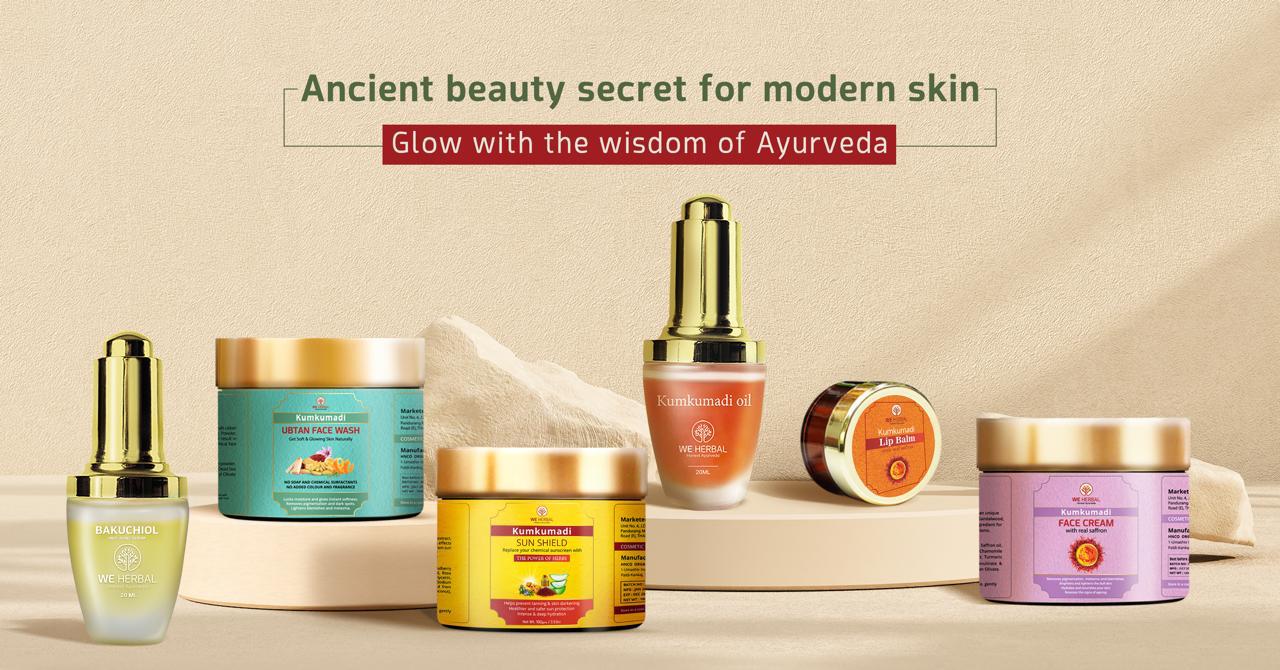
Saffron (Kesar): Now comes Saffron, which is the perfect winter recipe. We are sure that you know about the traditional winter drink - Saffron blended with hot milk for muscle relaxation and mental calmness. And let us tell you a beauty secret — saffron-infused oil is best for massaging your facial muscles. WeHerbal’s Kumkumadi Oil contains herbs such as sandalwood, turmeric, saffron, licorice, rose, vetiver and sesame oil, which help improve the skin tone and texture, especially if your skin is affected by the dry weather conditions.

How to Make Immunity-Boosting Kadha?
While these magic herbs are brilliant ways to make your life easier during the chilly season, let us introduce you to the magic recipe of special winter kadha for cold, cough and flu:
Boil one cup of water in a pan and add crushed bay leaf, 1 clove, cinnamon, a pinch of black pepper powder, 2 green cardamom and grated ginger. Let it simmer for 10-15 minutes and allow it to come to a boil. Turn off the heat and add jaggery (please note: never boil gur). Stir well and strain into a cup. Enjoy a hot cup of tea!
Best to have when feeling down due to a common cold, cough or flu. Also recommended for curing infections and allergies.
You can also shop for WeHerbal’s herbal tea, which consists of lemongrass, pudina (mint leaves), tulsi, dry desi ginger, long pepper, desi rose petals, fennel seeds and cardamom for easy digestion and improved well-being. Shop here!
FAQs
Who is the queen of herbs in Ayurveda?
Tulsi aka basil, is known as the queen of herbs in Ayurveda. Thanks to its immune-boosting, antioxidant and anti-inflammatory properties, which allow healing and protection against infections and allergies.
Can I drink Tulsi tea daily?
Yes, absolutely! Tulsi tea can be consumed daily in moderation. It helps support immunity, reduce stress levels and improve digestion. Avoid during pregnancy or consult a practitioner before consuming.
Which Indian spice is good for heart health?
Turmeric, aka haldi, is known for its inflammatory properties and is widely recommended for a healthy heart and gut.
Which herb is recommended for inflammatory diseases?
Turmeric and cinnamon are known for their inflammatory properties that support healthy cholesterol levels, promote better blood circulation, and help reduce inflammation.
What Ayurvedic season is winter?
As per Ayurveda, winter is known as Hemanta Ritu (early winter), followed by Shishira Ritu (late winter). The season is dominated by Vata and Kapha, and digestion is considered strongest during this time.


Leave a comment
This site is protected by hCaptcha and the hCaptcha Privacy Policy and Terms of Service apply.